Camel Estuary & The Seven Bays
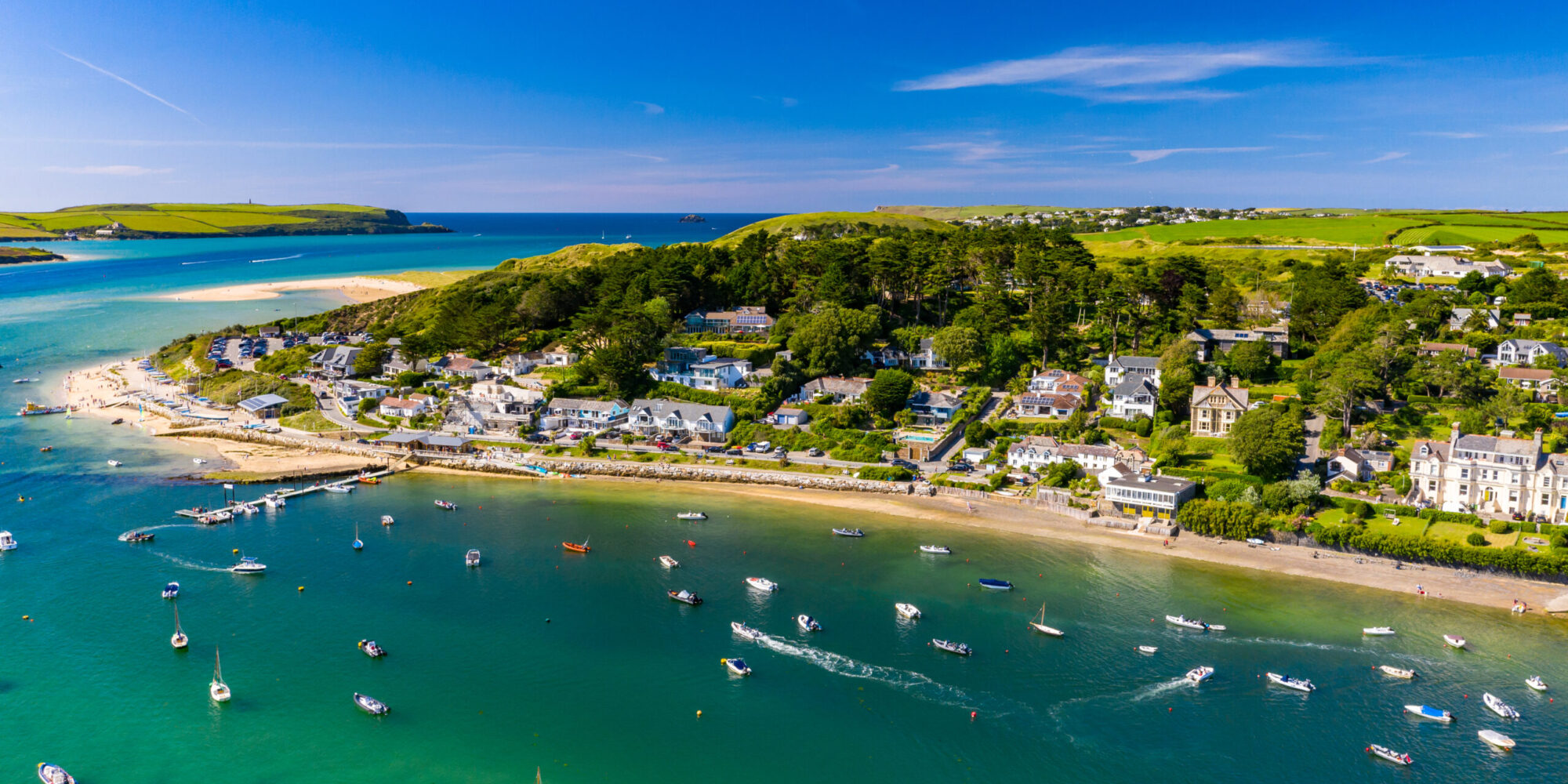
The Camel Estuary and the Seven Bays area on Cornwall’s north coast offer a distinctive mix of coastal living, outdoor activity, and everyday practicality. This stretch of coastline is defined by variety, from working harbour towns to wide sandy beaches and exposed Atlantic surf.
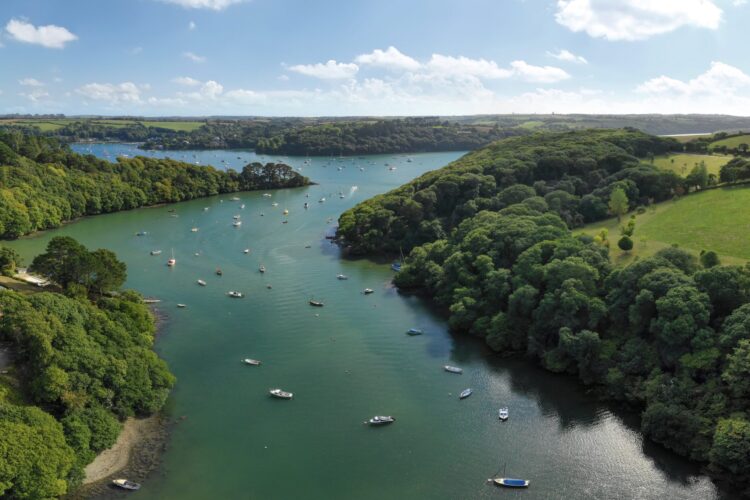
Life here is shaped by the sea, with a strong focus on time outdoors, good local food, and a steady, seasonal rhythm. The Camel Estuary runs inland between Padstow and Rock, creating a broad, sheltered waterway that contrasts with the open coastline just beyond. Its calm conditions make it well suited to sailing, paddleboarding, kayaking, and swimming, and it’s a central part of daily life for both residents and visitors. The Camel Trail follows the estuary edge, providing a largely traffic-free route for walking and cycling between Padstow, Wadebridge, and further inland, and is widely used year-round.
Padstow sits at the estuary’s mouth and acts as the area’s main hub. While it remains a working harbour with an active fishing fleet, it has also developed into a well-known food destination. The town offers a mix of independent shops, cafés, and restaurants, giving it a lively feel throughout the year. Day-to-day life centres around the harbour, with a steady flow of boats and people, but it retains a practical, small-town character. Across the water, Rock has a quieter, more residential atmosphere. It is closely associated with sailing and watersports, and many properties here are geared towards those who want direct access to the estuary. The beach at Rock is long and sandy, with shallow waters that are particularly suited to families and beginners. A regular ferry connection keeps it closely linked to Padstow while allowing it to maintain a more relaxed pace.
Nearby Towns
Padstow, Rock, Wadebridge, St Merryn
Schools
Padstow School, St Merryn School, Wadebridge School
Attractions
Camel Estuary
Culture
Rock Oyster Festival
Moving south, Daymer Bay offers a more sheltered and low-key environment. Its soft sand and calmer waters make it a popular choice for swimming and paddleboarding, and it tends to be less affected by strong winds. The surrounding area is largely residential, contributing to a quieter, more settled feel.
Greenaway Beach, just beyond, is smaller and more rugged, with rock pools and a less developed character. It’s typically used for exploring rather than spending a full day, and highlights the variation found along this stretch of coast. Polzeath is one of the most established surf beaches in the area and a focal point for activity. Its wide bay and consistent waves make it suitable for beginners, with surf schools operating throughout much of the year. The village behind the beach offers a range of accommodation and amenities, and the overall atmosphere is informal and active, with daily life often structured around the surf and tides.
Nearby, Baby Bay provides a quieter alternative. With more sheltered conditions, it is commonly used for surf lessons and appeals to those looking for a less crowded environment while staying close to Polzeath’s facilities. Further along, Trevone Bay combines a sandy beach with a rocky shoreline and features a natural tidal pool that is used for swimming at low tide. It has a small village setting and limited development, which helps maintain a quieter character. The nearby Round Hole, a natural blowhole, reflects the more rugged coastline in this part of the area.
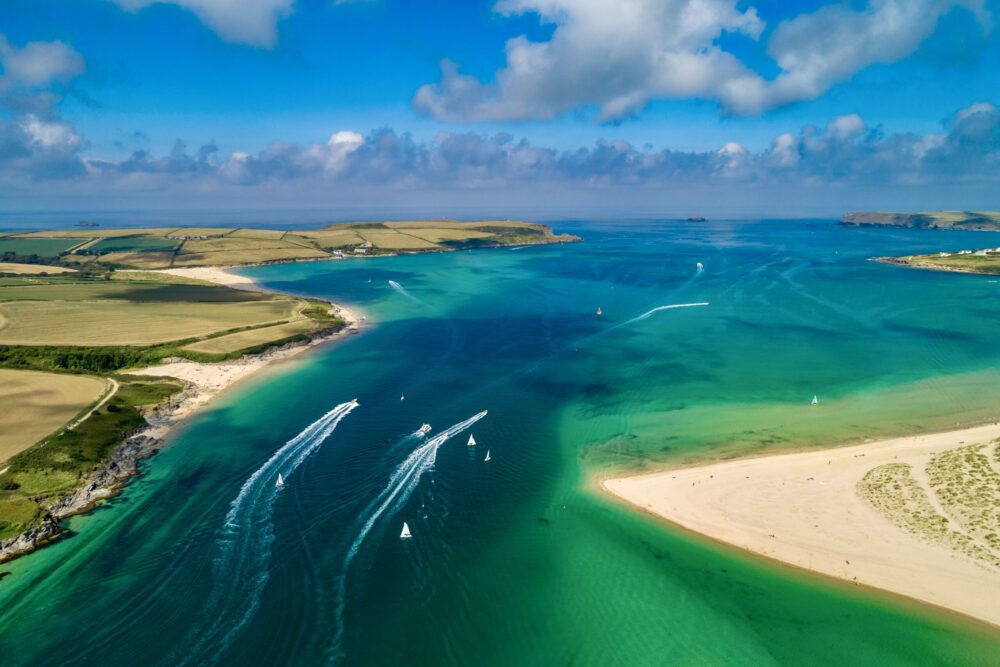
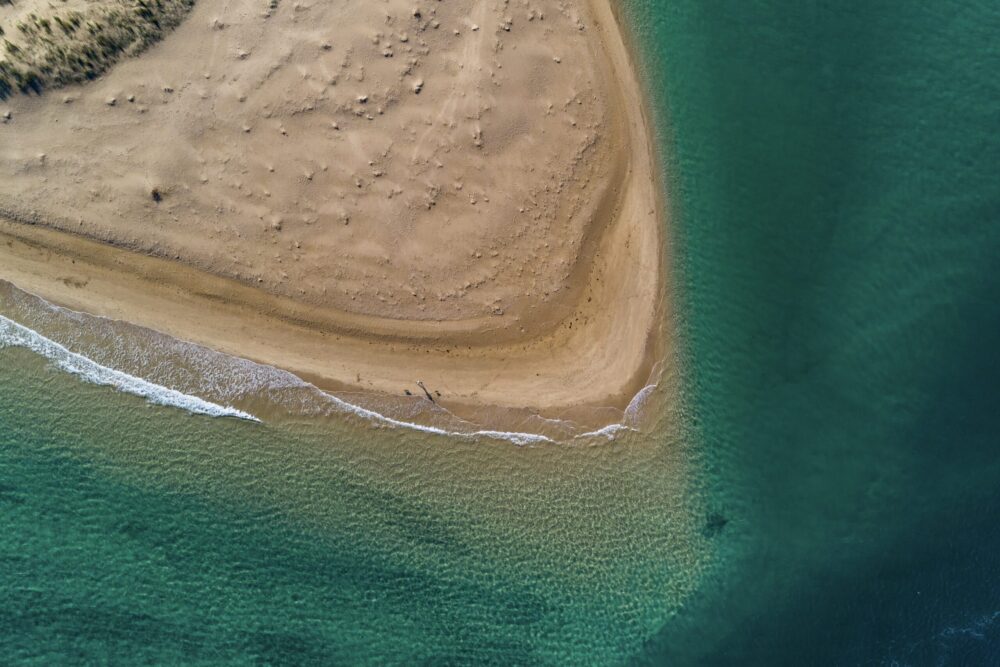
Harlyn Bay is another key location, known for its consistent surf and wide open beach. It offers essential facilities without the same level of commercialisation as some other beaches, making it a popular choice for those who want reliable conditions in a less busy setting. Constantine Bay and Booby’s Bay sit side by side and provide a more open, less developed landscape. Constantine Bay is widely used for both surfing and general beach use, while Booby’s Bay is more exposed and often quieter. Backed by dunes, these beaches have a more natural feel and appeal to those looking for space.
Mother Ivey’s Bay and Treyarnon Bay complete the Seven Bays. Mother Ivey’s Bay is smaller and more sheltered, often remaining relatively quiet even during peak periods. Treyarnon Bay is more family-oriented, with rock pools and a natural tidal pool that make it popular for swimming and exploring. Across the Camel Estuary and Seven Bays, the lifestyle is closely tied to the outdoors. Walking routes along the South West Coast Path connect the bays, while the estuary supports a range of water-based activities. There is also a strong emphasis on local food, with a mix of casual and higher-quality dining options available throughout the area.
Despite its popularity, the area maintains a sense of space. The number of beaches and their spread along the coast make it possible to find quieter spots, even in the busier months. Outside the main season, the pace slows considerably, and the area takes on a more local feel. Overall, the Camel Estuary and Seven Bays offer a coastal environment that balances activity with calm. With easy access to both sheltered waters and open surf, and a range of towns and beaches to suit different preferences, it provides a flexible and well-rounded approach to life by the sea.
Related Area Guides