The Lizard Peninsula
Uncover the wild beauty of the Lizard Peninsula, where dramatic cliffs, sheltered coves and traditional fishing villages combine to create one of Cornwall’s most distinctive and unspoilt coastal landscapes.
The Lizard Peninsula sits at the southernmost point of mainland Britain and is one of Cornwall’s most distinctive coastal landscapes. It is defined by its exposed headlands, sheltered coves, small fishing villages, and a coastline that changes quickly from dramatic cliffs to sandy beaches and rocky inlets. The area is relatively rural, with a dispersed settlement pattern and a strong focus on coastal living, walking, fishing heritage, and water-based activities. At the heart of the peninsula is The Lizard, a small village that acts as a base for exploring the surrounding coastline. It is close to Lizard Point, the most southerly point in mainland Britain, which is known for its lighthouse, cliff-top walking routes, and wide sea views. The surrounding area is part of an Area of Outstanding Natural Beauty, and much of the coastline is protected, which has helped preserve its undeveloped character.
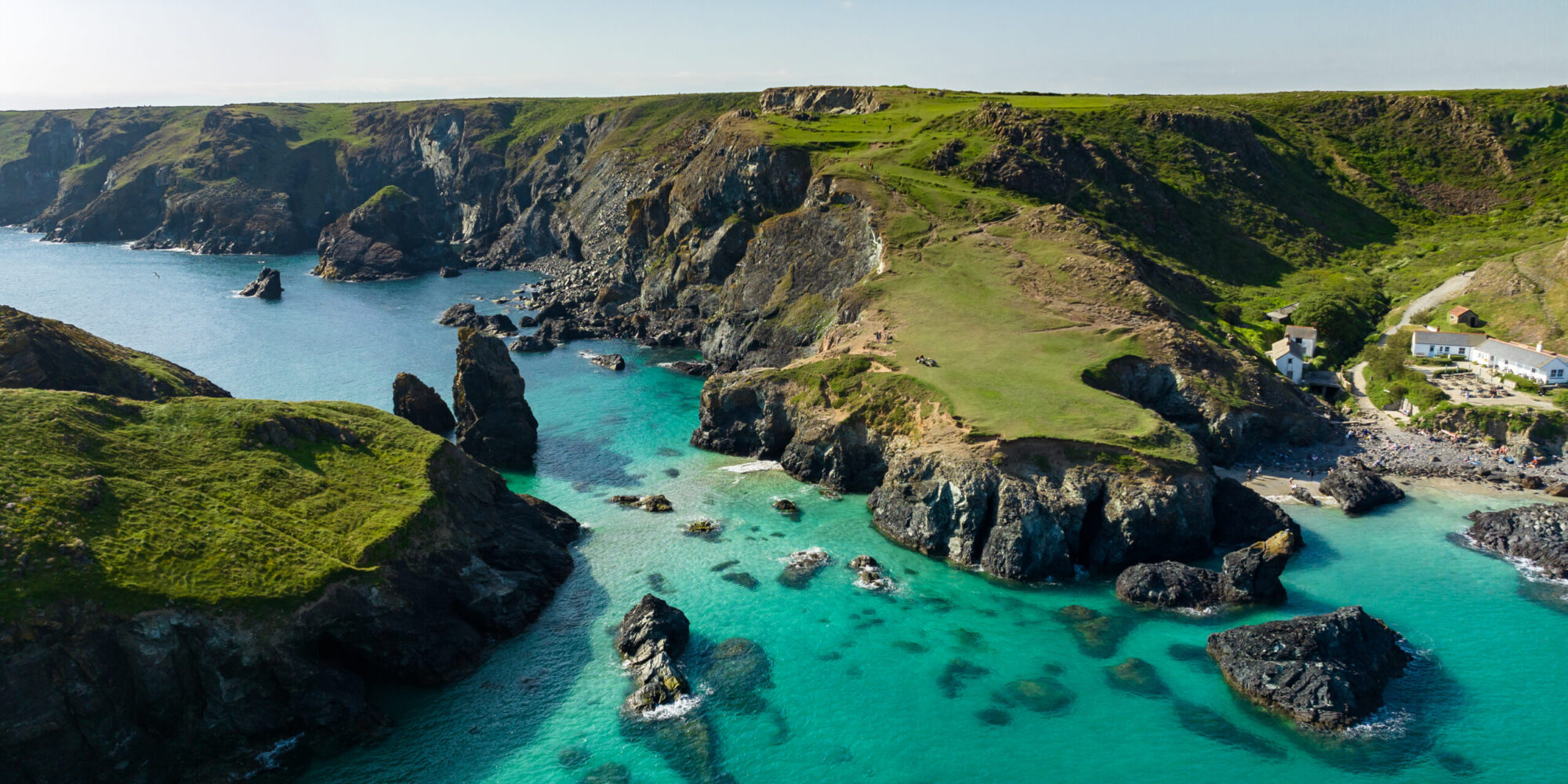
One of the most well-known natural features in the area is Kynance Cove. This beach is known for its clear water, rock stacks, and tidal caves, with access depending on tide conditions. It is one of the most visited spots on the peninsula and is popular for walking, photography, and swimming when conditions allow. Despite its popularity, access is controlled and parking is limited, which helps manage visitor numbers.
Nearby Towns
Mullion, Helston, Lizard Village
Schools
Mullion High School, Helston High School
Restaurants
Jumunjy Thai, New Yard Restaurant
Beaches
Polurrian Cove, Kynance Cove, Kennack Sands
Further west, Poldhu Cove offers a more sheltered sandy beach with consistent surf conditions. It is less dramatic than Kynance but more practical for regular beach use, including swimming and beginner surfing. The surrounding cliffs provide walking routes that connect to other coves along the coast.
On the eastern side of the peninsula, Kennack Sands is one of the larger and more accessible beaches. It is split into two sections, with a more sheltered family-friendly area and a more exposed section that attracts surfers. The beach has good facilities and parking, making it one of the more commonly used spots for day-to-day coastal recreation. The peninsula is also home to several traditional fishing villages that reflect its working coastal heritage. Cadgwith is one of the most well-known, with a small cove, thatched cottages, and an active crab and lobster fishing fleet. It retains a strong sense of local identity, with life still closely tied to the sea and seasonal rhythms.
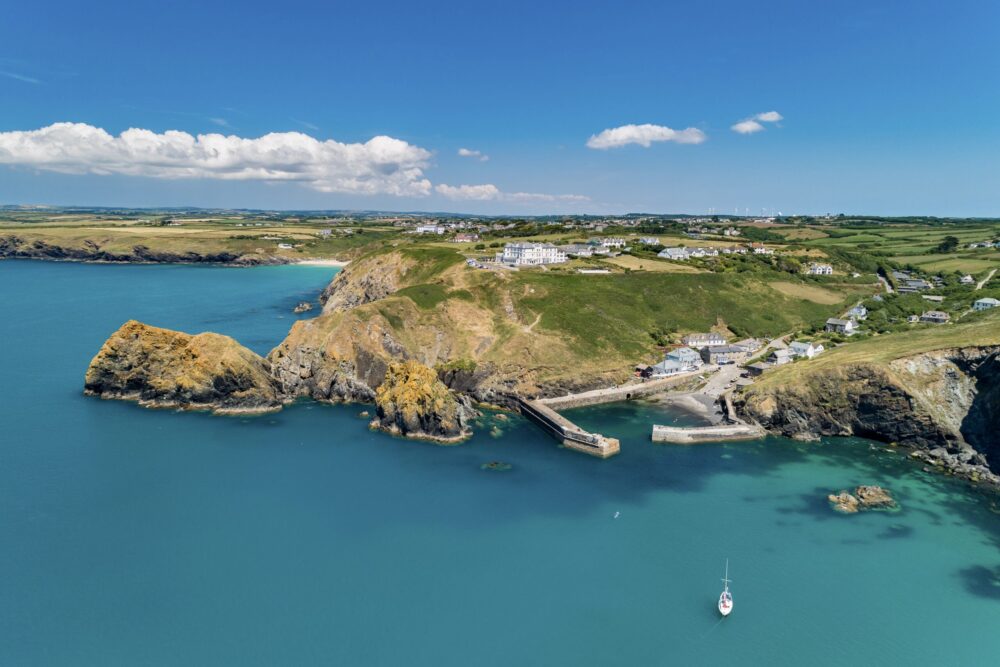
To the east, Coverack sits around a natural harbour and offers a mix of swimming, boating, and coastal walking. It has a slightly larger village structure than Cadgwith but maintains a quiet, residential feel. The harbour area is central to village life and is used for both fishing and leisure craft. Further inland, the market town of Mullion provides one of the main service centres for the peninsula. It offers local shops, schools, and amenities, and acts as a practical base for both residents and visitors. Nearby beaches such as Mullion Cove are smaller and more rugged, reflecting the wilder coastline in this section.
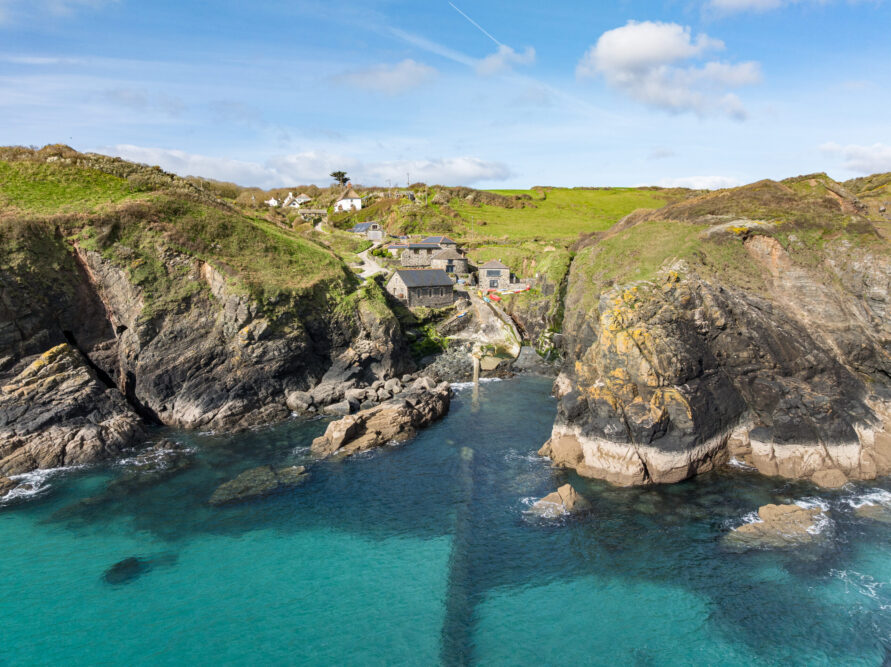
Across the Lizard Peninsula, the coastline is highly varied within short distances. Many of the beaches are reached via coastal paths or steep descents, and conditions can change quickly depending on tides and weather. This creates a landscape that feels active and constantly changing, rather than static or heavily developed. Lifestyle in the area is strongly influenced by the environment. Walking is a major activity, with the South West Coast Path running along the entire peninsula and linking most of the coves, villages, and viewpoints. Water-based activities such as kayaking, coasteering, and swimming are common, although conditions are often more exposed than in sheltered parts of Cornwall.
The area is relatively quiet compared to other parts of the county, particularly outside peak summer months. Many villages maintain year-round communities, and there is a strong connection to fishing and agriculture alongside tourism. This creates a balance between visitor activity and local life, with a slower overall pace than more developed coastal destinations. Overall, the Lizard Peninsula offers a coastal environment defined by variety, natural features, and small-scale settlements. It is an area where beaches, coves, and villages are closely linked, and where outdoor activity is part of everyday life rather than a seasonal pursuit.
Related Area Guides